
How to tell if a piece of writing is AI, with your own human brain
There's no definitive test. But here are the traits you can look out for.

AI is everywhere and I hate it.
I’ve written about why in a previous post, and I won’t bore you with rehashing my harangue. Today I shall instead show you how to spot the telltale signs of an essay, article, blog post, Facebook post, or Instagram caption that was written with the liberal use of ChatGPT. (I will not touch on LinkedIn posts, because they are their own form of dreck and quite frankly I do not want to be associated with their ilk.)
Some of you may be aware that Substack has recently partnered with Pangram, an automated AI detection tool. I don't like this. Linda Caroll and Hadden Turner have written eloquently about why they don't want to use Pangram, and you should go check out their posts. Instead, I want to enable you to spot AI on your own. Here are x of the tells that give me pause.
OBLIGATORY DISCLAIMER THAT ALL OF THESE TRAITS CAN ALSO BE FOHND FROM TIME TO TIME IN HUMAN WRITING, BECAUSE GUESS WHAT AI WAS TRAINED ON? THAT'S RIGHT. SORRY FOR CAPS LOCK.
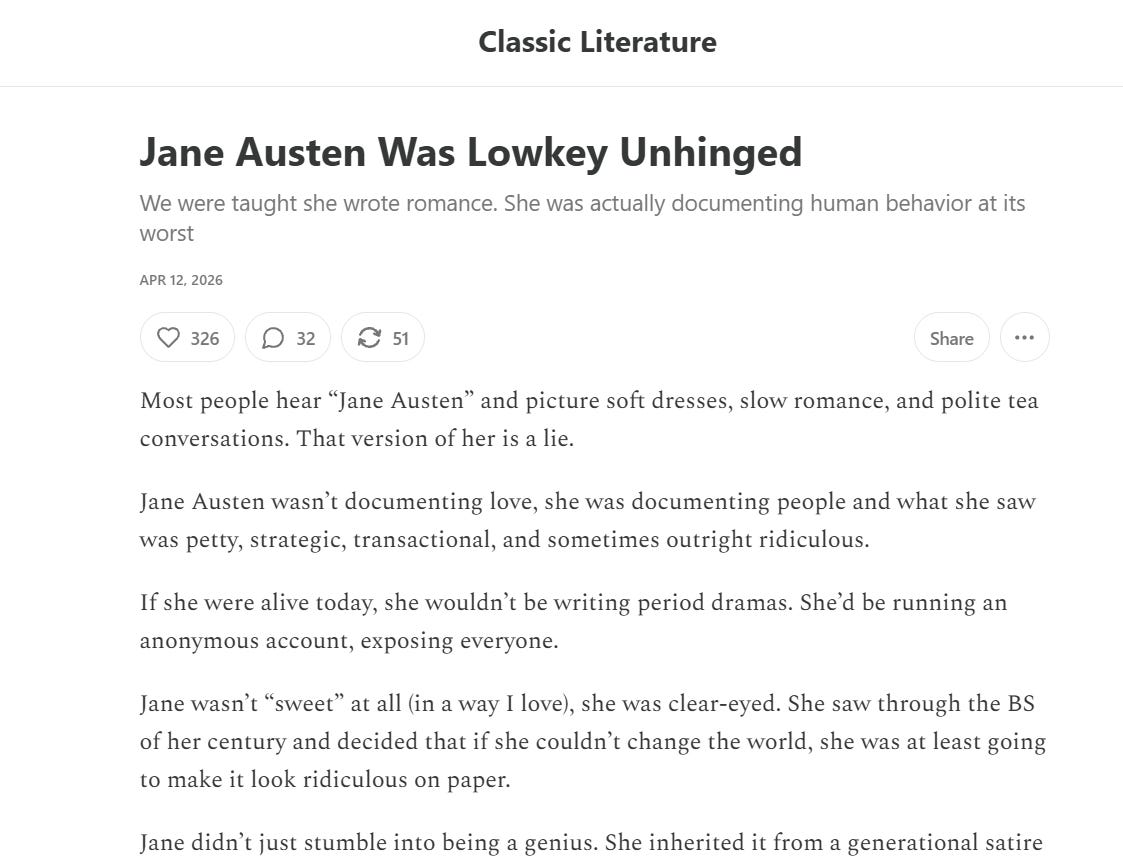
“It's not X. It's Y.” Once you see this rhetorical shorthand you won't be able to unsee it. “It’s not a religion. It's a relationship.” “It's not a choice. It's a revolution you never saw coming.” “It's not tennis. It's pickleball disguised as strength.” “Jane Austen didn't stumble into being a genius. She inherited it.” (Bro do you know what “stumbling into” even means???)
Which leads me to the next point, “disguised as.” This is eeeeeeeveryyyyyywherrrrrre in AI writing. Somewhere in the dark stinking depths of a server bank, a robot once encountered a singular rhetorical device and it was over for sentimental Facebook posts your great-aunt won't stop sharing.
“Quiet” as an adjective for absolutely everything. It makes me never want to use it again. It's a perfectly normal word but omg the AI-association. STOP. It especially shows up paired with “strength,” “vow,” and “oath.”
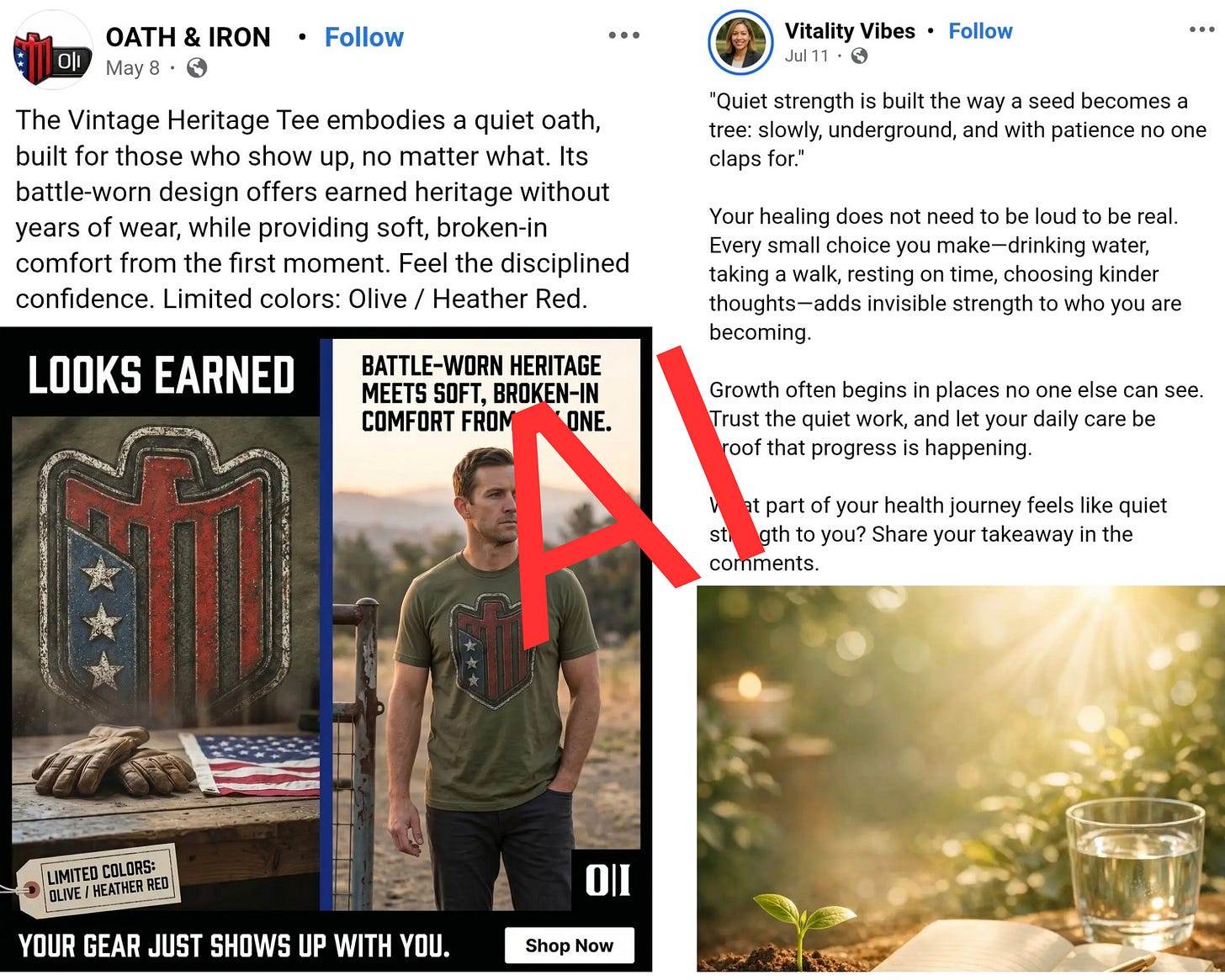
Super short sentences stacked together. Usually sentence fragments. Not meaningful. Just designed to make you think they're saying something profound with nothing. (Like that, lol.)
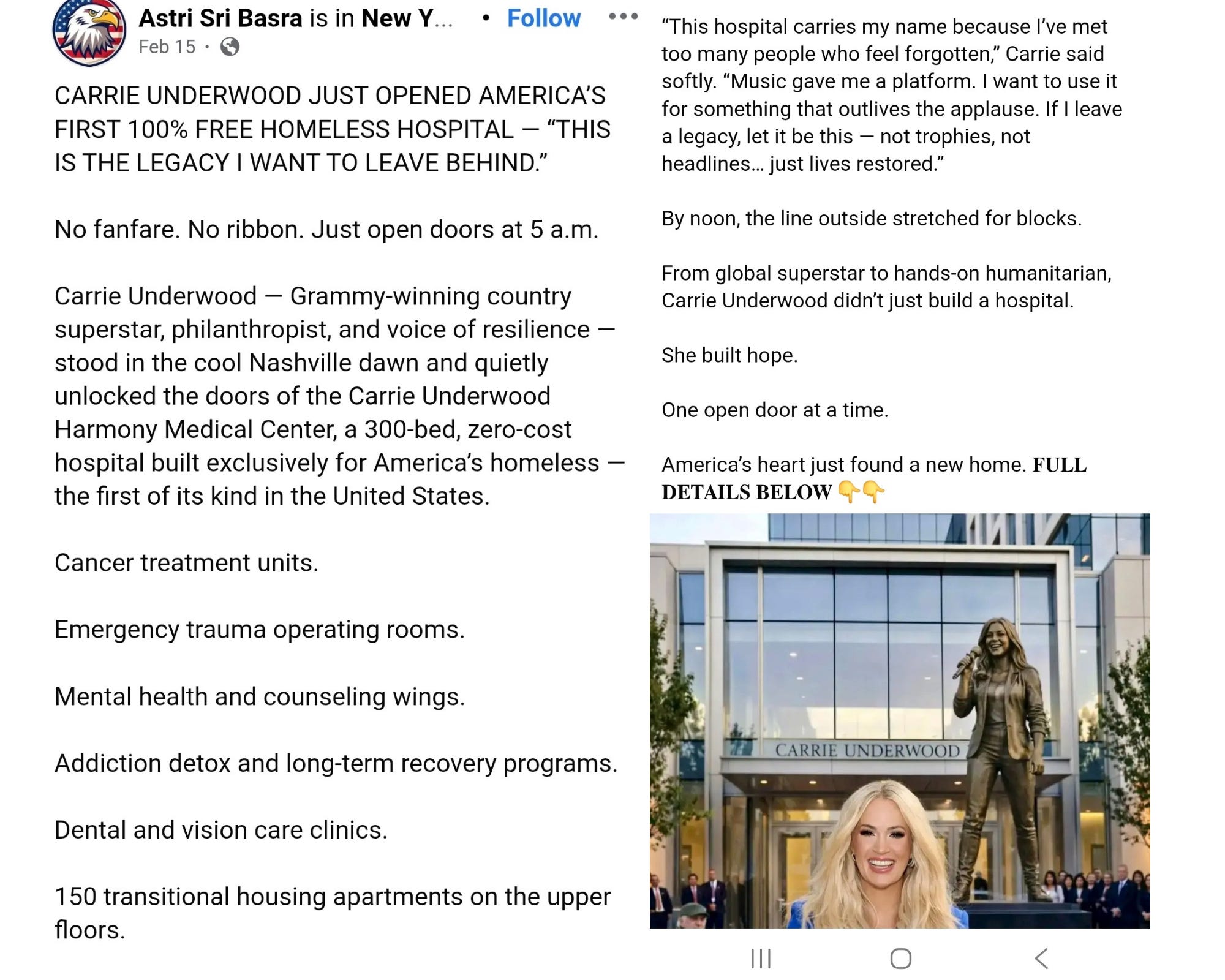
Unbelievably long social media posts that read as a personal story from a narrator who has earned your trust but whom you have literally never heard of before. It's usually a feel-good story designed to make you want to share and comment and say it restored your faith in humanity. The irony of course is that there's no humanity involved.
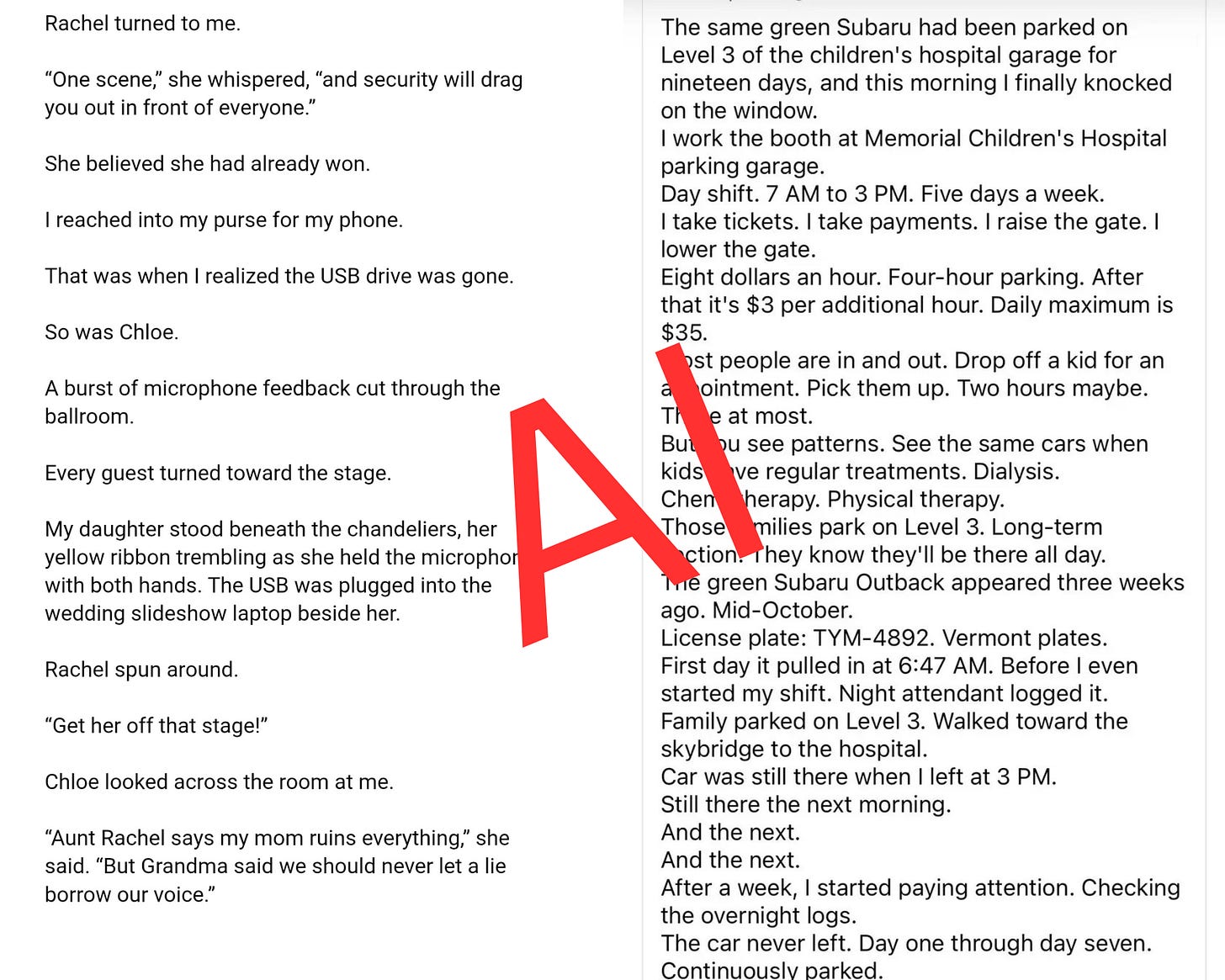
“Historical” stories that seem based in fact, or at least adjacent to something you learned in school, posted prolifically and usually accompanied by a shiny, overly smooth image.
“Self-help” guides that tick the boxes above, aren't linked to any actual person or author with a face and a legitimate presence, and want you to comment in order to be sent their course/video/spreadsheet/download code/whatever.
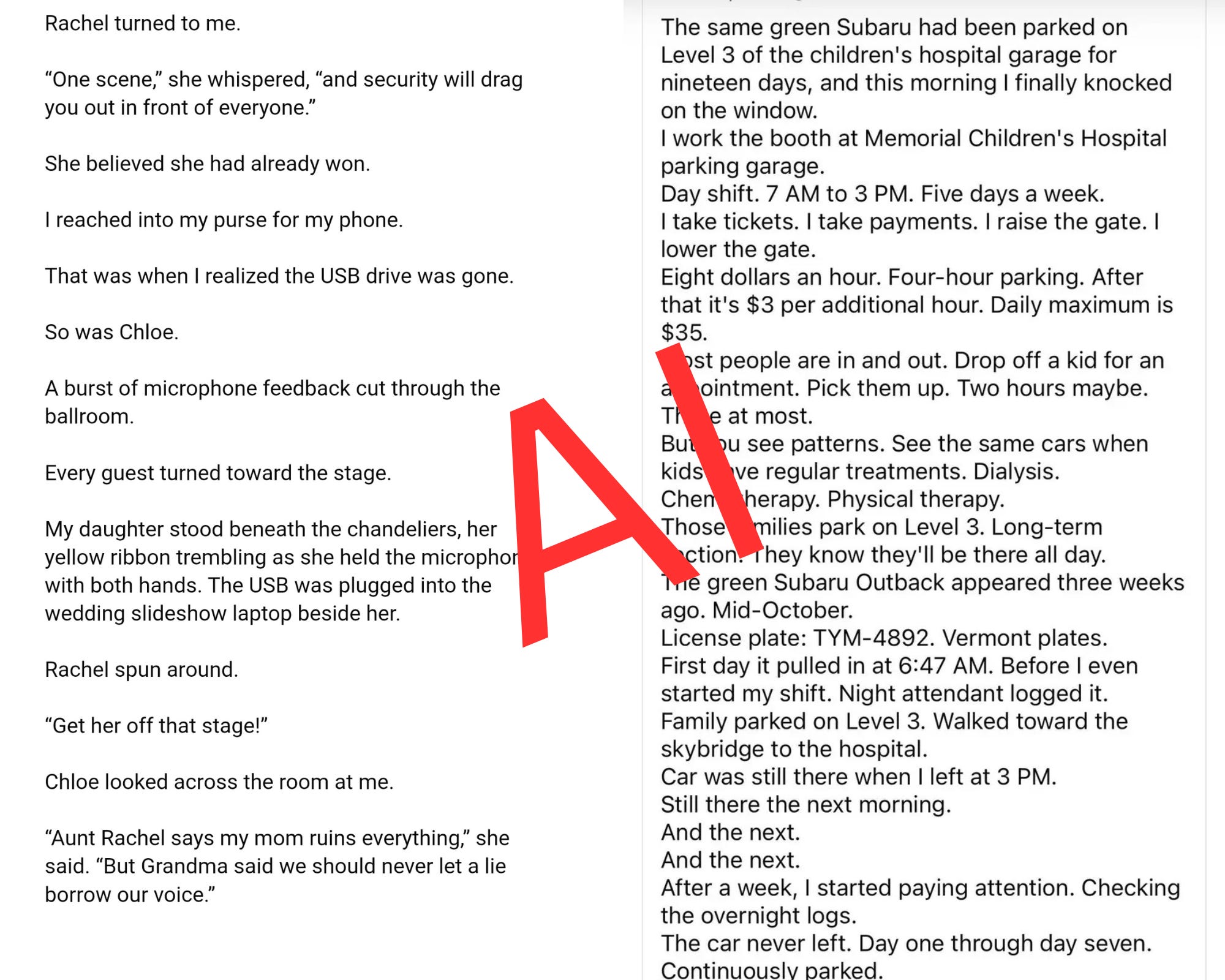
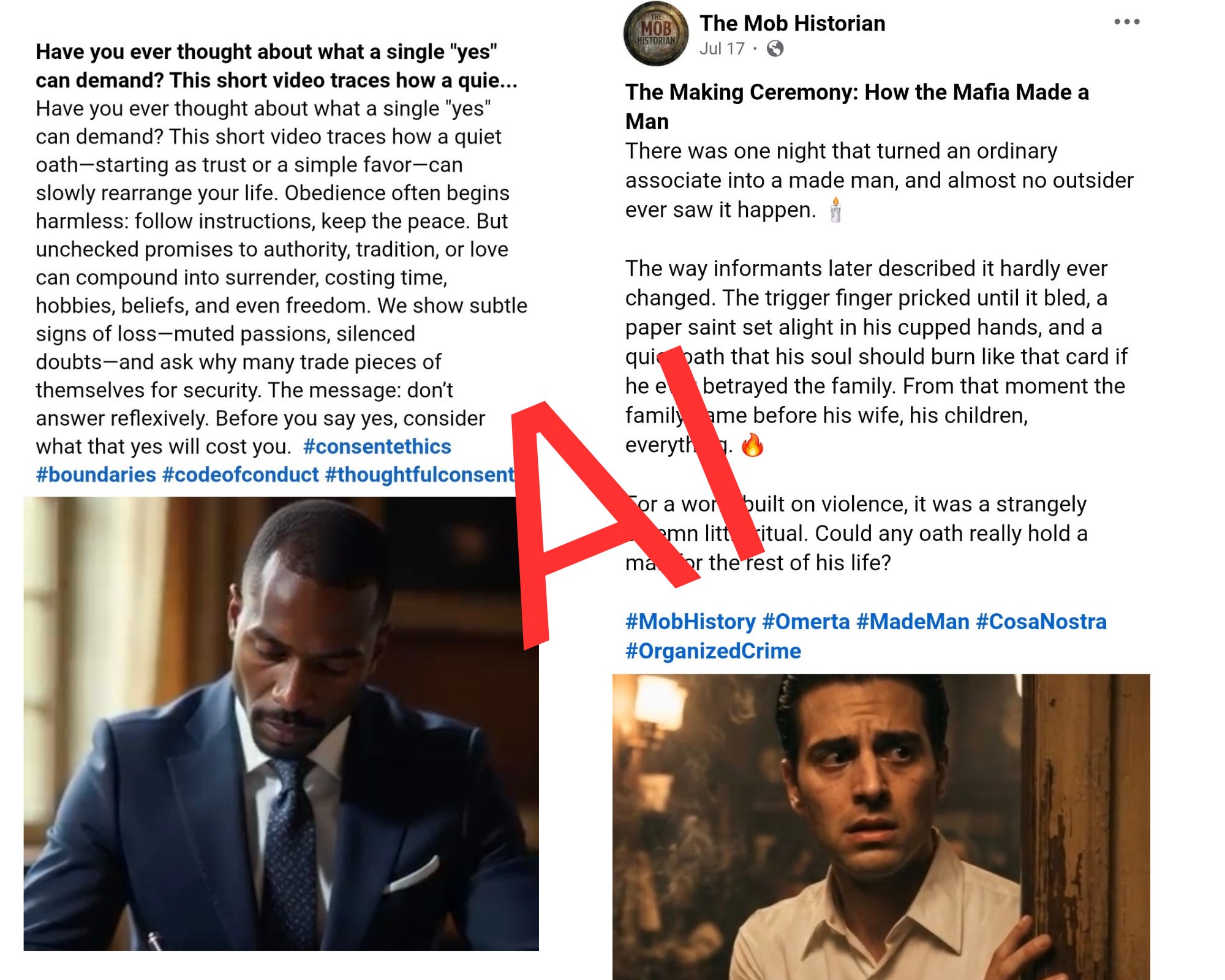
Comments on social media or on Substack/Medium/any other writing platform that neatly summarize and regurgitate the main points of the original piece. Real people don't write like this unless they're checking boxes for a classroom discussion board and are required to prove they understood (lol) the material.
Some people cite the three-item list as an AI tell. I'm not so sure about this one. The rule of threes has been around in nonfiction writing—humor, informative copy, actual journalism—for a really long time. So has the email dash. AI uses these elements sometimes, yes, but I'm hesitant to write off a piece of writing just for those (especially since I rely on them pretty heavily myself). In conjunction with other stuff listed above, though, they become questionable.
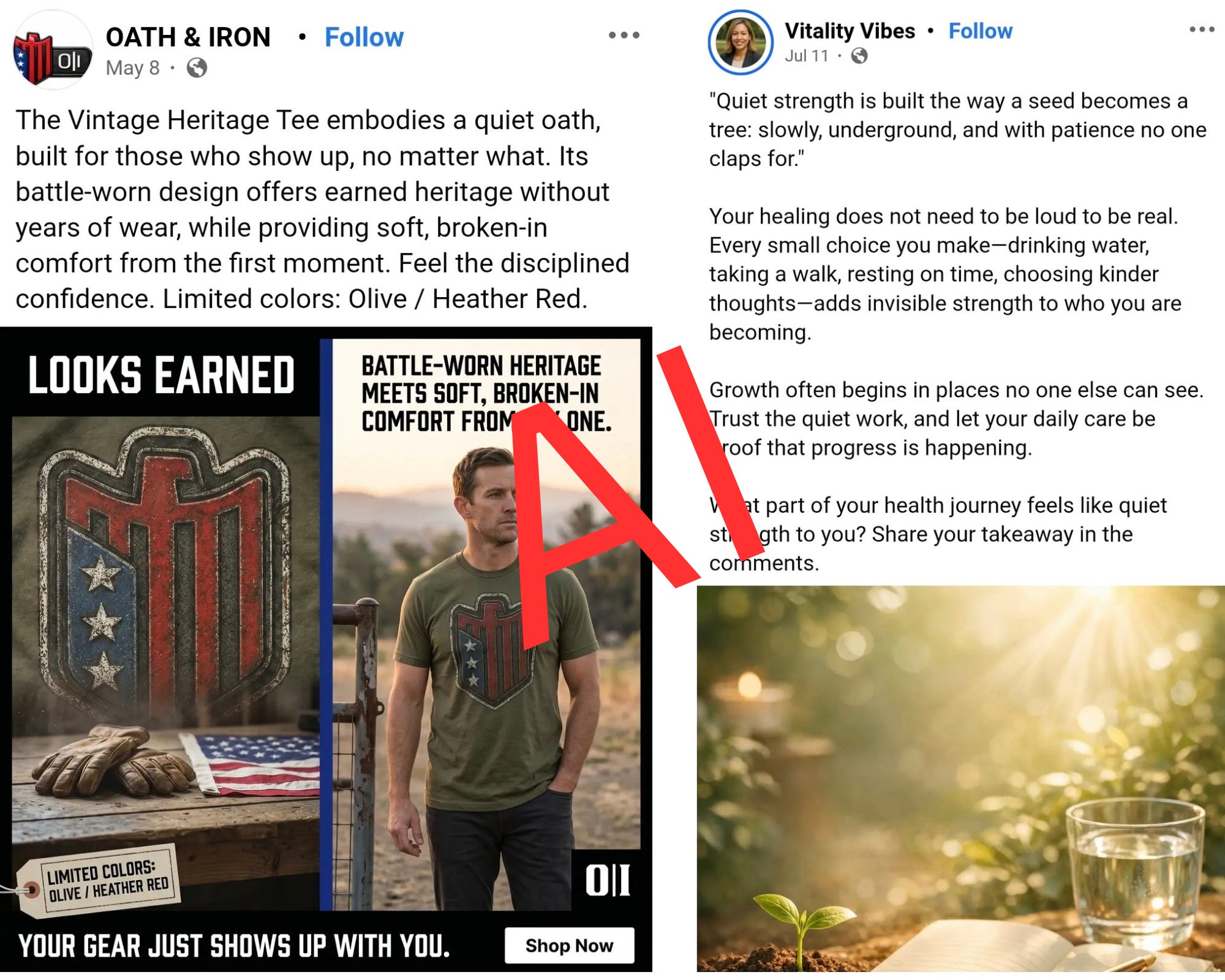
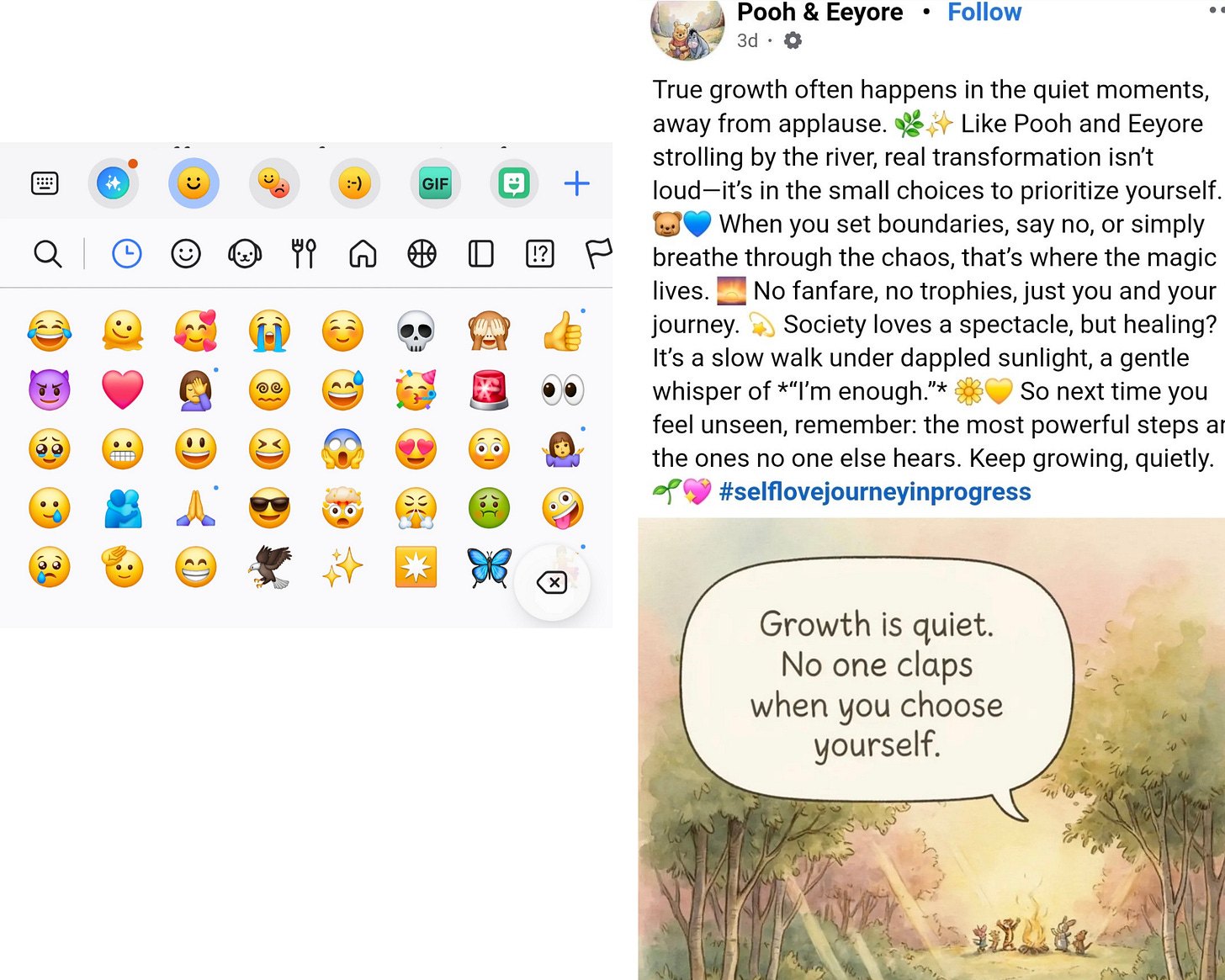
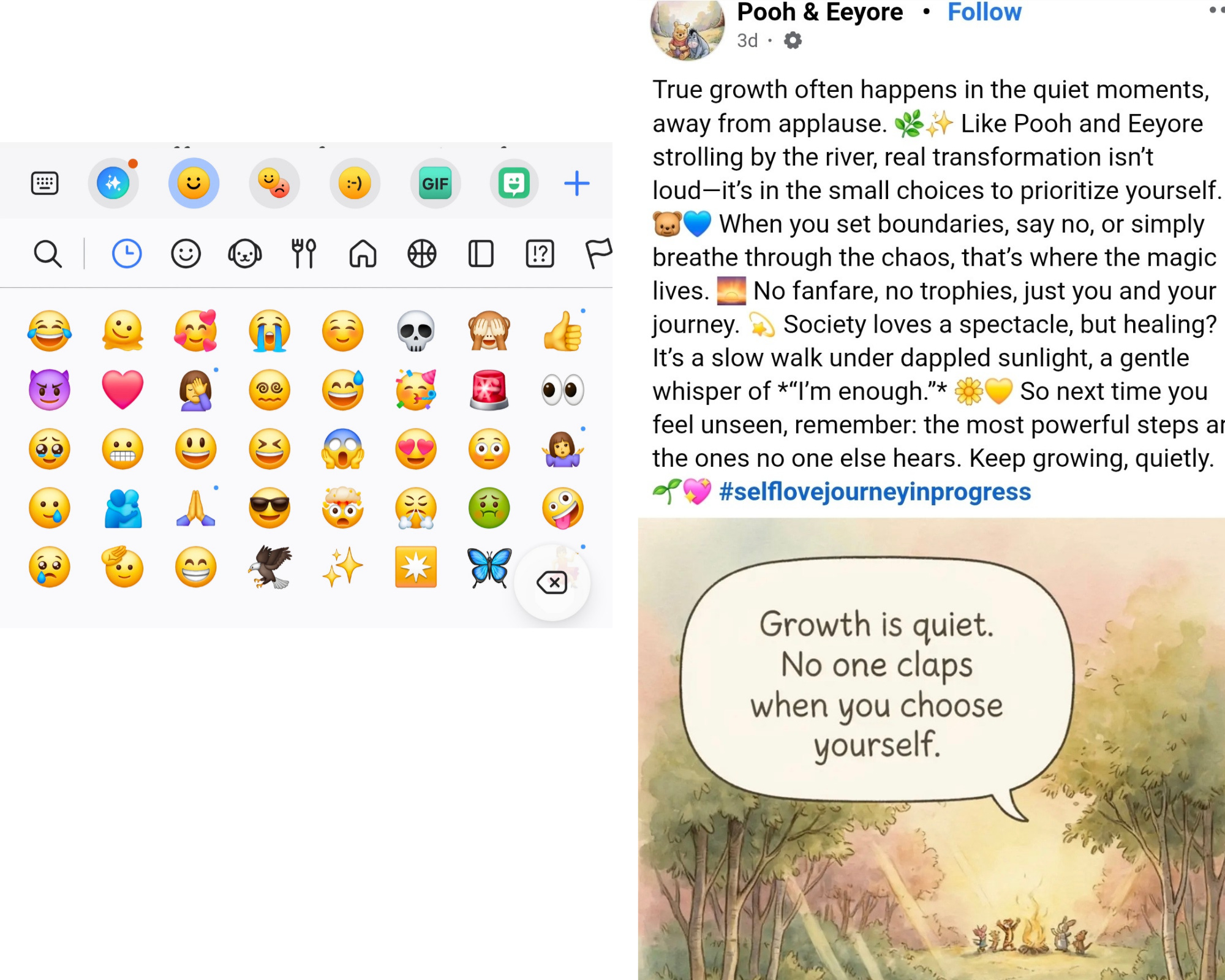
Emojis that no human is keeping in their Frequently Used keyboard shortcut. For reference, here's a Facebook post side by side with my own most frequently used emojis:
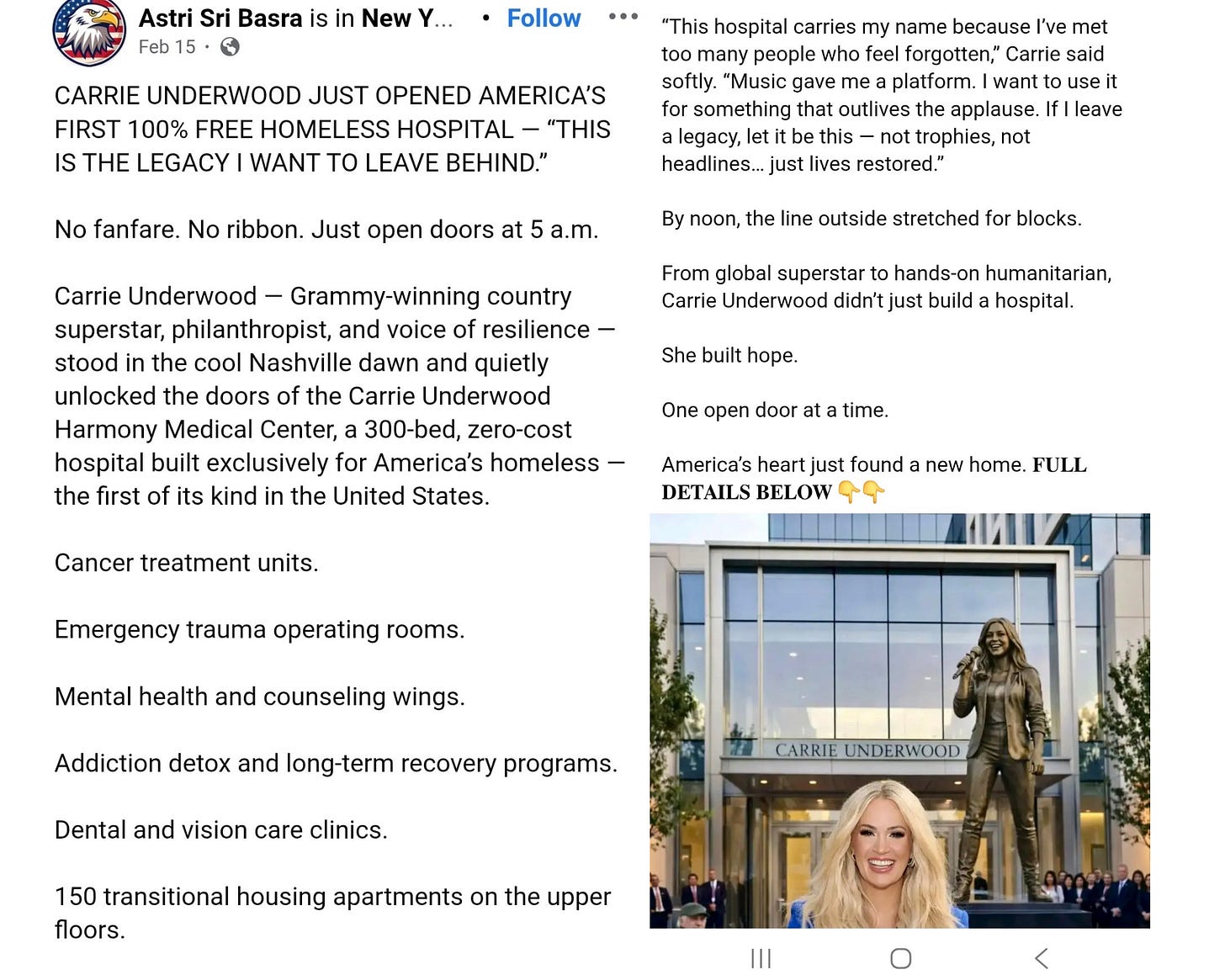
And finally, news you can't verify from any other source. But that one's just basic media literacy. Right?
Bonus: this isn't necessarily AI but I'm so tired of seeing it. “Credit to the original owners” means nothing if you don't actually credit the NAMES OF the original owners! It's not a citation. It's a lazy cop-out. …wait oh no.
Enjoyed this post and want to say so with a small testimonial? You can tip the author here.
Agree with all of these (and LinkedIn, ugh), but I would also add that AI has a very particular voice that is easy to identify once you’ve read enough of it. It’s overly smooth and bland. The other tell, at least in academic writing, is a sentence that *sounds* insightful and is well-written, but when you read it closely there’s no there there.
I do think a well-placed short sentence can be very powerful, and I am annoyed because now I feel like I can’t use them.
This is super helpful. Thank you.